Navigating Vitamin D Deficiency in Winter: Your Essential Guide to Staying Healthy
Explore the critical role of vitamin D in winter health, from deficiency symptoms and causes to dietary sources, supplements, and tips for maintaining optimal levels to support immunity, bones, and mood.
Understanding the Role of Vitamin D in Your Body
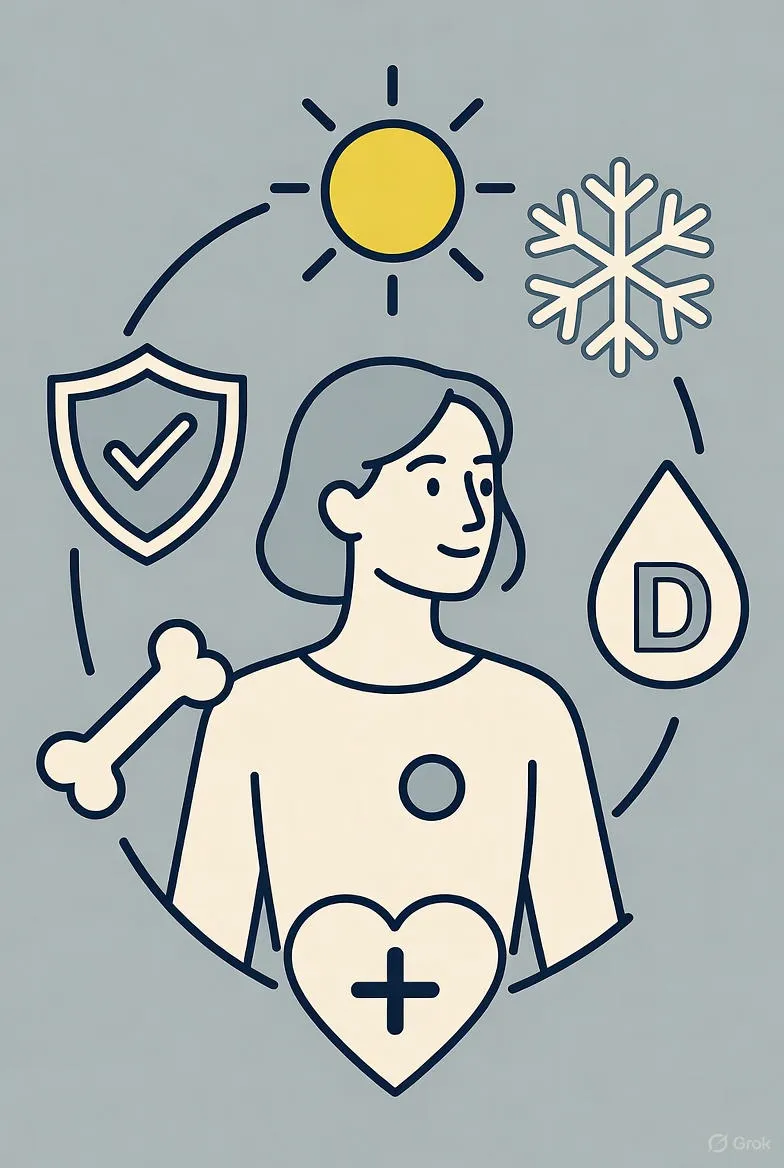
Vitamin D, often referred to as the 'sunshine vitamin,' plays a pivotal role in maintaining overall health. This fat-soluble nutrient is unique because your body can produce it when your skin is exposed to ultraviolet B (UVB) rays from sunlight. Beyond its well-known function in calcium absorption for bone health, vitamin D supports immune function, muscle strength, and even mood regulation. In the grand scheme of wellness, it's a cornerstone nutrient that influences everything from cardiovascular health to inflammation control.
During the colder months, however, our natural production of vitamin D plummets. Shorter days, reduced sunlight intensity, and more time spent indoors create a perfect storm for deficiency. This seasonal dip isn't just inconvenient—it's a health concern that affects millions worldwide. According to health authorities like the National Institutes of Health, up to 40% of adults in temperate climates experience low vitamin D levels by winter's end. Recognizing this pattern is the first step toward proactive management.
Why Winter Worsens Vitamin D Shortfalls
The winter solstice marks the shortest day of the year, but the implications for vitamin D extend far beyond daylight hours. In regions north of the 37th parallel—think much of the United States, Europe, and beyond—the sun's angle is too low from November to March for sufficient UVB rays to penetrate the atmosphere effectively. Even on clear days, cloud cover and pollution further block these rays.
Our lifestyles compound the issue. With holidays, work demands, and chilly weather keeping us bundled up or indoors, exposure drops dramatically. A study from Baylor College of Medicine highlights that individuals in urban areas get as little as 5-10 minutes of direct sunlight daily during winter, far below the 15-30 minutes needed for adequate synthesis. For those with darker skin tones, the challenge is even greater, as melanin reduces UVB absorption, requiring longer exposure times.
Moreover, aging skin produces vitamin D less efficiently, putting older adults at higher risk. Vegans and vegetarians face additional hurdles, as plant-based diets naturally lack rich sources of this nutrient. These factors converge to create widespread deficiencies that linger until spring.
Recognizing the Signs of Vitamin D Deficiency
Subtle at first, vitamin D deficiency symptoms can escalate if left unchecked. Early indicators often mimic general fatigue, making diagnosis tricky without testing. Common signs include persistent tiredness that coffee can't fix, unexplained muscle aches, and bone tenderness, especially in the lower back or shins.
As deficiency progresses, more pronounced effects emerge. Frequent respiratory infections signal weakened immunity, while hair thinning or slow wound healing points to impaired cellular repair. Mood dips are particularly telling in winter—irritability, low energy, and even depressive episodes align with seasonal affective disorder (SAD), where low vitamin D exacerbates serotonin imbalances.
In children, watch for rickets-like symptoms: bowed legs, delayed growth, or soft skull bones. Adults might notice frequent fractures or osteoporosis risks rising. The Cleveland Clinic notes that severe cases can lead to hypocalcemia, causing numbness, seizures, or heart rhythm issues. If you suspect deficiency, a simple blood test measuring 25-hydroxyvitamin D levels is the gold standard—aim for 20-50 ng/mL for optimal health.
Who Is Most at Risk?
- Office workers and remote professionals: Minimal midday sun exposure.
- Individuals with obesity: Fat cells sequester vitamin D, reducing availability.
- Those with malabsorption issues: Conditions like celiac or Crohn's hinder uptake.
- Pregnant and breastfeeding women: Heightened demands for fetal and infant development.
Addressing these risks early can prevent a cascade of winter woes.
Natural Sources: Fueling Up Through Diet
While sunlight is ideal, dietary sources offer a reliable backup, especially when bundled against the cold. Fatty fish top the list—salmon provides about 570 IU per 3-ounce serving, nearly meeting the daily recommended intake of 600 IU for adults. Canned tuna and mackerel are convenient alternatives, packing 150-250 IU per serving.
Egg yolks contribute modestly at 40 IU each, making them a breakfast staple. For vegetarians, mushrooms exposed to UV light can boost their vitamin D2 content up to 400 IU per cup. Fortified foods bridge gaps effectively: opt for milk (100 IU per cup), orange juice, or cereals labeled with added vitamin D.
Beef liver and cheese offer smaller amounts, but variety is key. The NHS recommends incorporating these into weekly meals—think grilled salmon salads or mushroom omelets. While diet alone may not suffice in deep winter, it builds a foundation, reducing reliance on supplements.
Sample Winter Meal Ideas
- Breakfast: Fortified yogurt parfait with UV-exposed mushrooms.
- Lunch: Tuna salad wrap with leafy greens.
- Dinner: Baked salmon with quinoa and broccoli.
- Snack: Cheese cubes and fortified almond milk.
These choices not only elevate vitamin D but enhance overall nutrition.
The Supplement Solution: When and How Much?
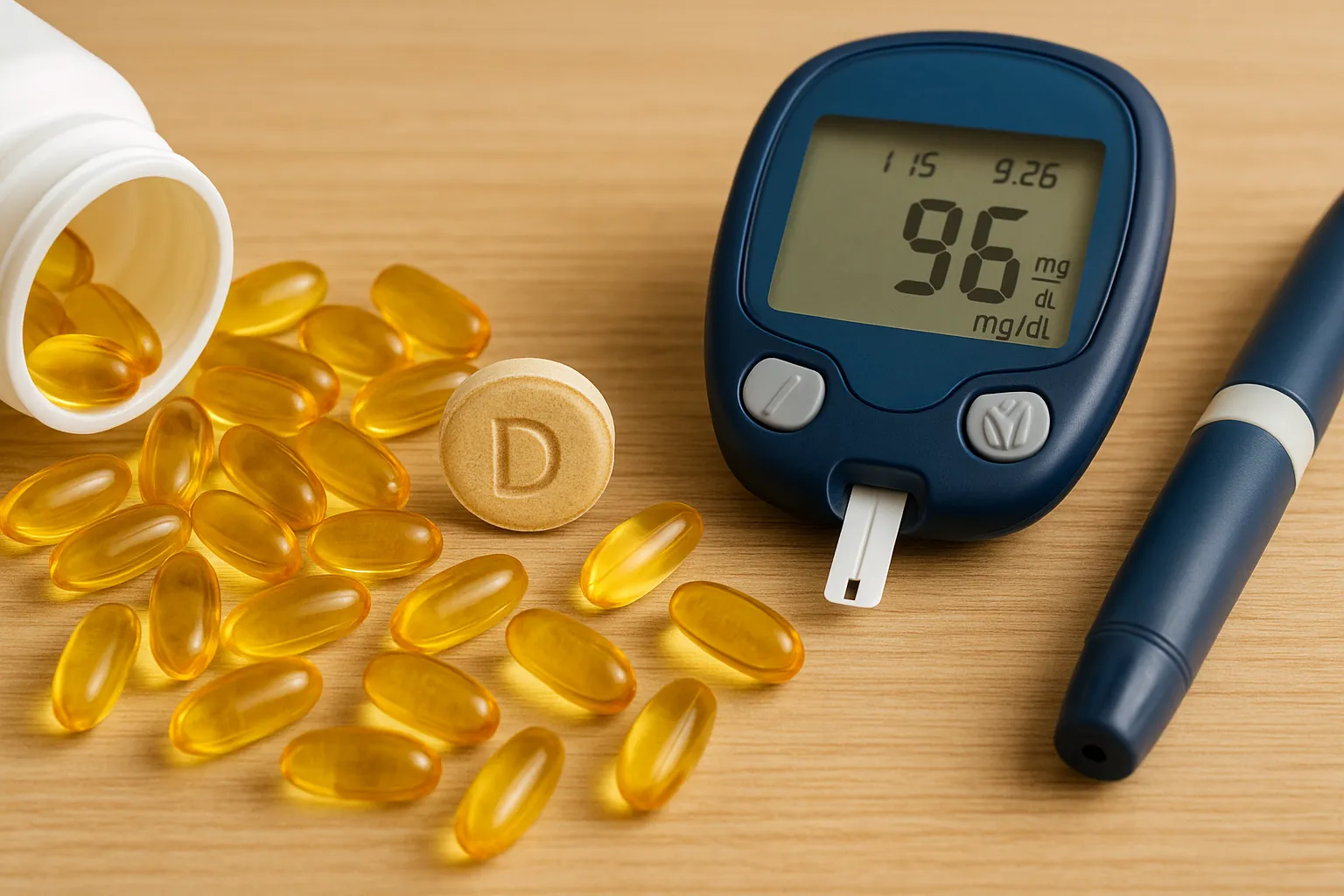
For many, supplements are a winter essential. Vitamin D3 (cholecalciferol), derived from animal sources, is more effective at raising blood levels than D2. The Mayo Clinic suggests 1,000-2,000 IU daily for maintenance, but those deficient might need 4,000-10,000 IU short-term under medical supervision.
Timing matters—take with a fatty meal for better absorption. Pairing with magnesium or vitamin K2 optimizes benefits, preventing calcium buildup in arteries. Always consult a healthcare provider, especially if on medications like statins or steroids, which interact with vitamin D.
Over-supplementation risks toxicity, though rare below 10,000 IU daily. Symptoms include nausea, weakness, or kidney stones—monitor with periodic tests. Brands like Nature Made or Nordic Naturals offer third-party tested options for purity.
Practical Tips to Boost Vitamin D This Winter
Reclaim sunlight strategically: midday walks, even on overcast days, yield UVB. Window glass blocks rays, so step outside—20 minutes suffices for fair skin, longer for others. Snow reflects up to 80% of UV, amplifying exposure in snowy climates.
Embrace indoor alternatives: UV lamps designed for vitamin D synthesis mimic sunlight safely. Combine with exercise—yoga or strength training indoors while supplementing. Track intake via apps like MyFitnessPal to ensure consistency.
Community matters too. Join winter hiking groups or advocate for workplace wellness programs promoting light therapy. For families, make it fun: build snow forts to encourage playtime outdoors.
Holistic Approaches
- Mindfulness: Meditation combats mood lows linked to deficiency.
- Sleep hygiene: Vitamin D influences circadian rhythms.
- Hydration: Supports nutrient transport.
Integrating these elevates winter vitality.
Unlocking the Broader Benefits of Optimal Vitamin D
Beyond bones, vitamin D fortifies immunity, slashing cold and flu risks by up to 20%, per recent studies. It modulates inflammation, potentially easing autoimmune flares or arthritis pain. Cardiovascular perks include lower blood pressure and reduced heart disease odds.
Mentally, it buffers against SAD, enhancing serotonin pathways for brighter moods. Emerging research ties adequate levels to better cognitive function, warding off dementia risks in later years. For athletes, it accelerates recovery and sustains performance despite seasonal slumps.
In children, it fosters robust growth; in elders, it preserves mobility. The ripple effects underscore why prioritizing vitamin D isn't optional—it's foundational for thriving through winter.
Conclusion: Embrace Winter with Vitamin D Confidence
As frost patterns the windows, let vitamin D be your ally against the chill. By understanding its vital roles, spotting deficiencies early, and weaving in sunlight, diet, and supplements, you empower your body to flourish year-round. This season, trade sluggishness for strength—your future self will thank you. Consult professionals for personalized plans, and step into winter prepared, not deprived.