Unlocking the Power of Keratin: Essential Tips for Optimal Nail Maintenance
Discover the vital role of keratin in nail health and learn expert tips for maintenance. Strengthen brittle nails, prevent breakage, and achieve salon-worthy results at home with our comprehensive guide.
Introduction to Keratin and Its Vital Role in Nail Health
Healthy nails are more than just an aesthetic feature; they serve as indicators of overall well-being. At the heart of strong, resilient nails lies keratin, a remarkable protein that forms the structural foundation of our nails, hair, and skin's outer layer. Understanding keratin's functions can empower you to adopt better nail maintenance practices, preventing common issues like brittleness and breakage. This comprehensive guide delves into the science of keratin, explores its significance for nail vitality, and provides actionable strategies to nurture your nails for long-term health.
What is Keratin? A Deep Dive into the Protein Powerhouse
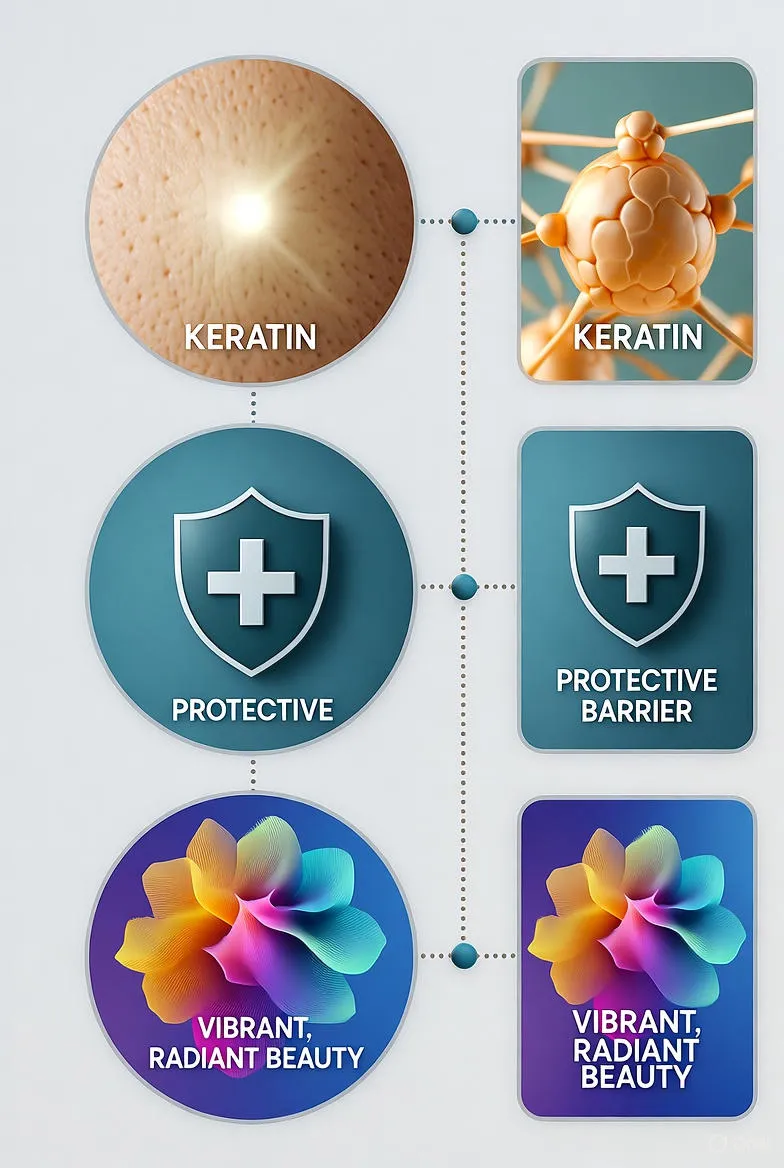
Keratin is a fibrous structural protein, one of the most abundant in the human body, produced by keratinocytes in the epidermis. It exists in two primary forms: hard keratin, found in nails and hair, and soft keratin, present in skin and mucous membranes. Hard keratin, in particular, is what gives nails their toughness and durability, much like the protective armor of a tortoise shell.
Chemically, keratin is composed of long chains of amino acids, primarily cysteine, which forms disulfide bonds. These bonds create a tough, cross-linked structure that resists mechanical stress and environmental damage. Keratin production is a continuous process, with new cells forming at the nail matrix—the living part beneath the cuticle—and pushing older cells outward to form the visible nail plate.
While genetics play a role in keratin quality, factors like diet, hydration, and external care significantly influence its efficacy. Deficiencies in essential nutrients can weaken keratin bonds, leading to fragile nails. By prioritizing keratin-supporting habits, you can enhance this natural barrier against daily wear and tear.
The Building Blocks: Amino Acids and Keratin Synthesis
At its core, keratin synthesis relies on a balanced intake of amino acids. Methionine and cysteine are crucial sulfur-containing amino acids that facilitate the formation of those vital disulfide bridges. Without adequate sulfur, keratin becomes less resilient, resulting in nails that split or peel easily.
Other supporting nutrients include biotin (vitamin B7), which aids in keratin infrastructure development, and zinc, which acts as a cofactor in protein synthesis. Incorporating foods rich in these—such as eggs, nuts, seeds, and leafy greens—can bolster your body's keratin production from within.
The Crucial Role of Keratin in Nail Structure and Function
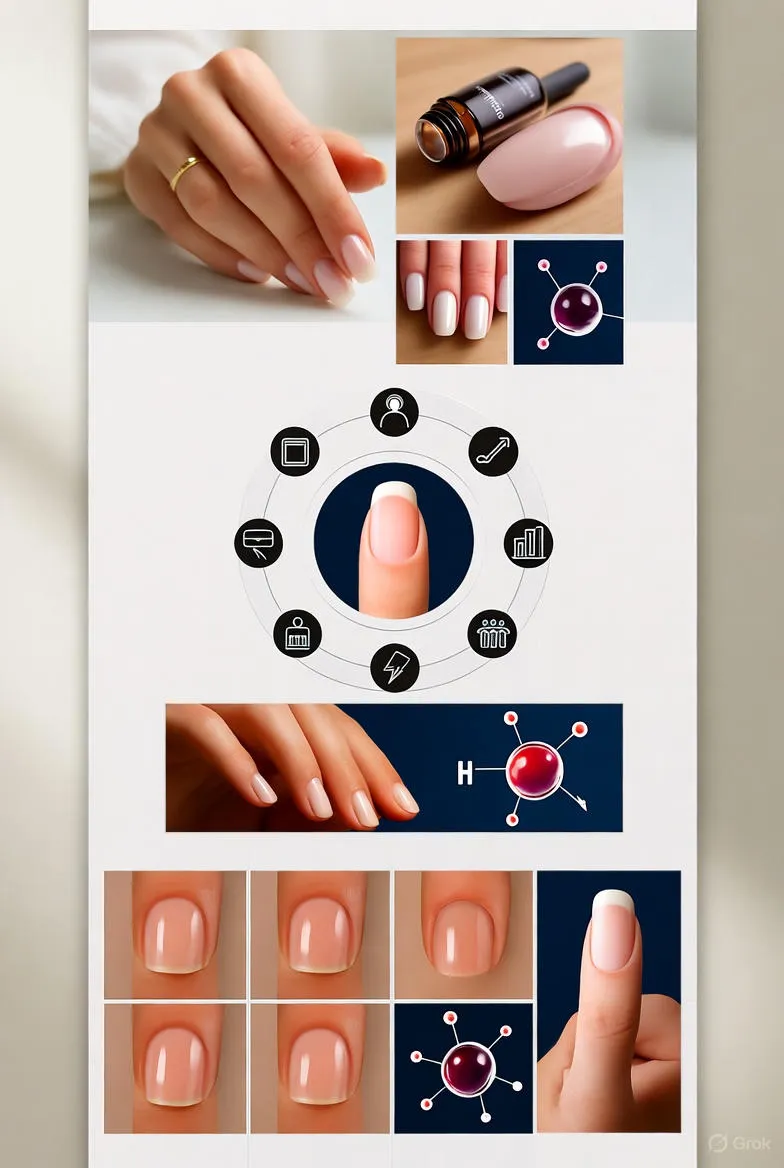
Nails are essentially modified versions of skin, with keratin comprising about 90% of their composition. The nail plate, the hard surface we see, is dead keratinized cells layered together, providing protection to the sensitive nail bed underneath. This keratin shield guards against trauma, chemicals, and pathogens, while also aiding in fine motor tasks like scratching or picking up small objects.
Beneath the surface, the nail matrix generates new keratin cells, determining the nail's growth rate—approximately 3 millimeters per month for fingernails and slower for toenails. Disruptions here, such as injury or nutritional gaps, can manifest as ridges, spots, or slowed growth, all signaling keratin compromise.
Keratins in nails are alpha-helical proteins that assemble into intermediate filaments, reinforced by keratin-associated proteins (KAPs). This intricate network not only confers strength but also flexibility, allowing nails to bend slightly without fracturing. When balanced, this structure maintains nail integrity; when imbalanced, it leads to common ailments we'll address later.
How Keratin Protects and Regenerates Nails
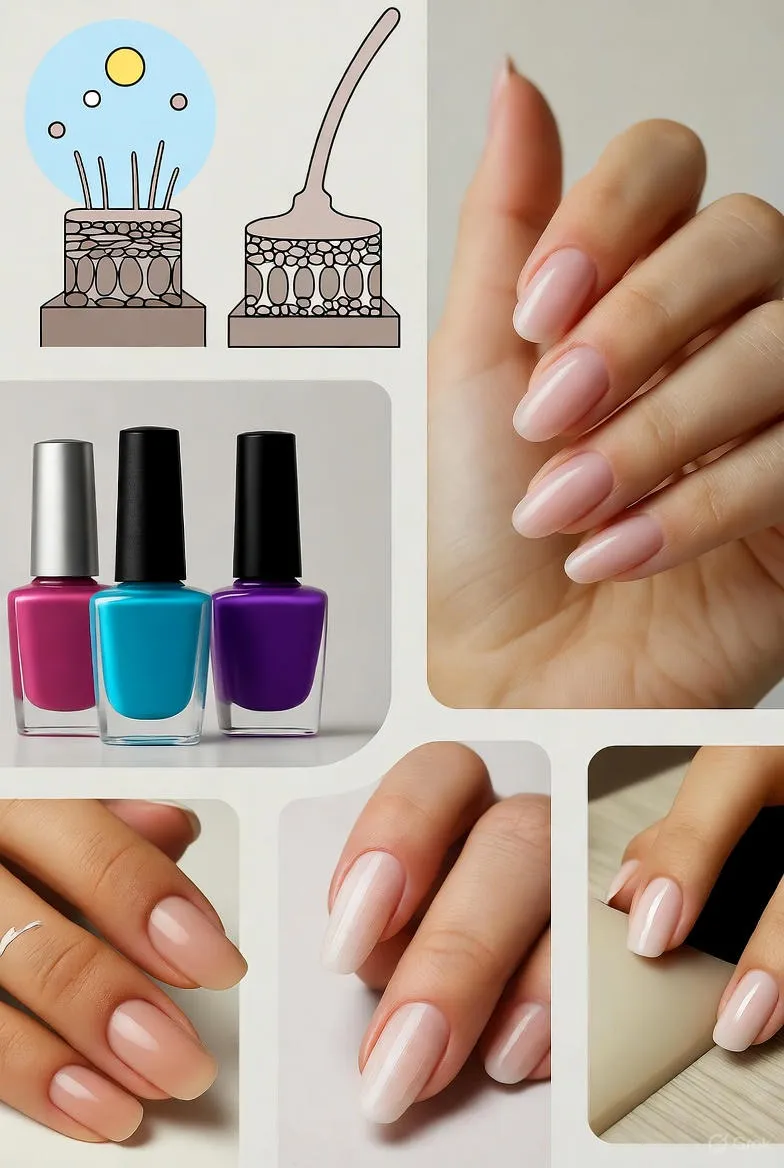
Keratin's protective prowess extends to regeneration. After damage, the matrix ramps up keratin production to repair and reinforce the plate. However, chronic exposure to water, harsh detergents, or UV rays can degrade these proteins, accelerating wear. Topical keratin treatments, like those in strengthening polishes, work by filling in microscopic cracks and forming a protective film, mimicking the natural barrier.
Benefits of Strong Keratin for Nail Aesthetics and Health
Beyond functionality, robust keratin translates to aesthetically pleasing nails—smooth, shiny, and uniformly colored. Healthy keratin prevents yellowing from staining agents and reduces the likelihood of fungal infections by maintaining an impermeable surface.
From a health perspective, strong nails reflect internal vitality. They can signal improvements in thyroid function, iron levels, and even stress management, as cortisol spikes impair keratin synthesis. Investing in keratin health yields dividends in confidence and reduced salon visits for repairs.
Moreover, keratin-rich nails enhance grip and dexterity, beneficial for musicians, typists, or anyone engaging in manual hobbies. In essence, prioritizing keratin isn't vanity—it's self-care that echoes through your daily life.
Essential Strategies for Keratin-Boosting Nail Maintenance
Maintaining optimal keratin levels requires a multifaceted approach: nutrition, daily habits, and targeted treatments. Start with a diet abundant in protein and vitamins; aim for 46-56 grams of protein daily, sourced from lean meats, fish, legumes, and dairy. Supplements like collagen peptides can provide bioavailable keratin precursors, but consult a healthcare provider first.
Daily Nail Care Routines to Preserve Keratin Integrity
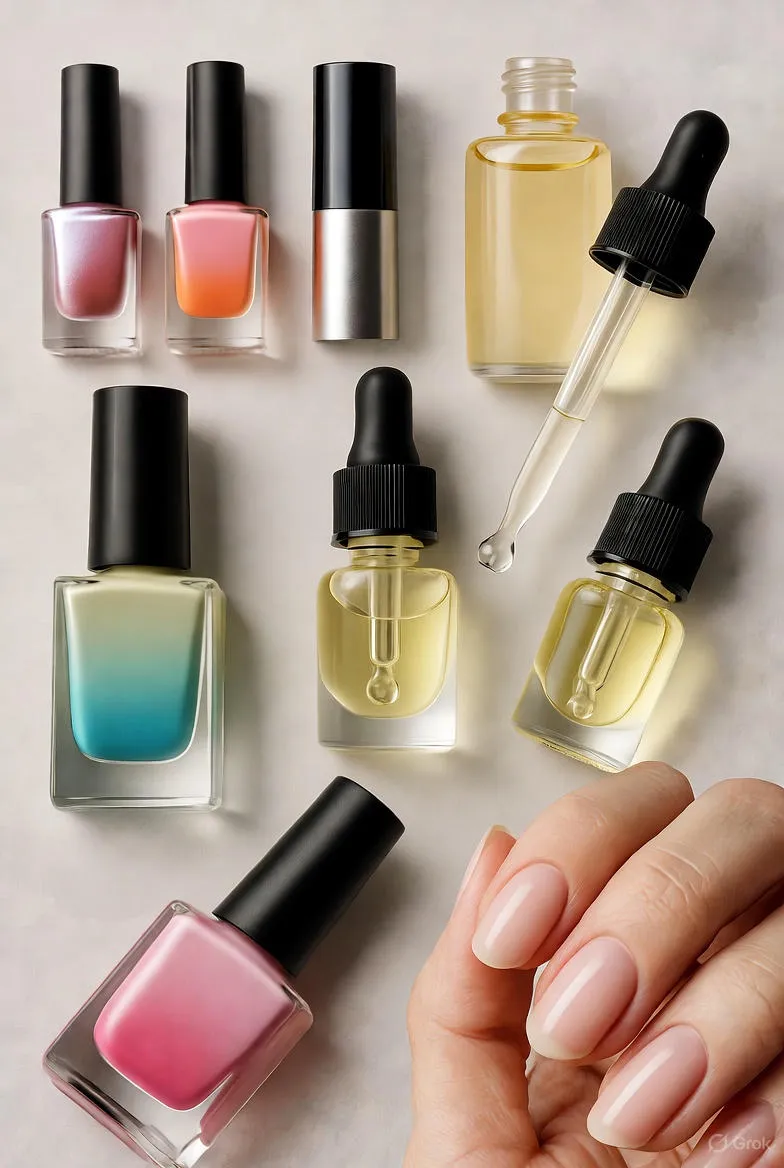
- Moisturize Regularly: Dryness erodes keratin bonds. Apply cuticle oils or creams with jojoba or argan oil twice daily, massaging into the nail bed to hydrate the matrix.
- Protect from Harsh Elements: Wear gloves during chores involving water or chemicals. Limit acetone-based removers, opting for gentler alternatives to avoid stripping natural oils.
- Trim and File Properly: Use sharp clippers to cut straight across, then file in one direction to prevent micro-tears that weaken keratin layers.
- Avoid Over-Manicuring: Give nails breathing room between polishes. Use base coats with keratin fortifiers to shield against color pigments.
Advanced Treatments: From Supplements to Professional Care
For deeper intervention, consider keratin-infused products. Hardening serums with hydrolyzed keratin penetrate the plate, rebuilding from within. At-home masks using keratin and silk proteins can be applied weekly for a spa-like boost.
Professionally, IBX treatments— a dual-layer system of resin and keratin—seal and strengthen nails without added length. Paraffin dips followed by keratin lotions enhance absorption, promoting supple cuticles and vibrant growth.
Track progress with a nail journal, noting changes in texture and growth. Consistency is key; visible improvements often appear after 4-6 weeks as new keratin cells emerge.
Common Nail Issues Linked to Keratin Deficiency and Solutions
Recognizing keratin-related problems early can prevent escalation. Brittle nails, often from excessive moisture loss, respond well to humectant-rich balms. Onychoschizia, or splitting, stems from weakened disulfide bonds; reinforce with sulfur supplements and avoid hot showers that dilute oils.
Ridges, both vertical (aging or dehydration) and horizontal (Beau's lines from illness), indicate matrix stress. Gentle buffing smooths vertical ones, while patience and nutrition heal horizontal marks as they grow out.
White spots (leukonychia) are usually trauma-induced but can signal zinc deficiency affecting keratin. Fungal infections thrive on compromised keratin; maintain dryness and use antifungal polishes prophylactically.
Preventive Measures Against Keratin-Damaging Habits
- Limit nail biting, which introduces bacteria and disrupts growth.
- Steer clear of gel/acrylic overload; they can suffocate the matrix if not removed properly.
- Balance pH exposure—alternate acidic (lemon soaks for shine) with neutral routines.
- Incorporate rest periods: Let nails go bare monthly to reset keratin production.
Addressing these proactively ensures keratin remains a steadfast ally rather than a vulnerability.
Lifestyle Factors Influencing Keratin Quality
Hormonal fluctuations, particularly during pregnancy or menopause, alter keratin density—expect temporary softening or thickening. Stress elevates glucocorticoids, inhibiting protein synthesis; counter with mindfulness or yoga to stabilize levels.
Environmental aggressors like pollution and chlorine deplete antioxidants needed for keratin maintenance. Urban dwellers benefit from silica supplements, which fortify connective tissues, while swimmers should rinse promptly and apply barriers.
Sleep and exercise indirectly support keratin by optimizing circulation and nutrient delivery to extremities. Aim for 7-9 hours nightly and 150 minutes of moderate activity weekly for holistic nail nourishment.
The Role of Hydration in Keratin Resilience
Water is keratin's silent partner; dehydrated proteins become rigid and prone to cracking. Internal hydration—2-3 liters daily—pairs with external sealing via silicon-based polishes that lock in moisture without greasiness.
Conclusion: Empower Your Nails with Keratin Knowledge
Embracing keratin's role in nail maintenance transforms routine care into a proactive ritual. From nutrient-rich meals to thoughtful grooming, each step fortifies this essential protein, yielding nails that are not only beautiful but resilient. Remember, healthy nails are a reflection of your inner health—nurture them with intention, and they'll serve you faithfully in return. Start today with one simple change, like a nightly oil massage, and watch your keratin-powered nails thrive.
(Word count: 1,248)